If you’ve ever stared in the mirror and noticed more scalp than you remembered, you’re not alone. Hair thinning doesn’t always arrive with drama; it sneaks in. Maybe you notice extra hair in the shower drain or subtle gaps along your hairline when tying your hair back. It’s frustrating, and the options can feel overwhelming. Pills, topical solutions, expensive clinic visits… where do you even start?
Enter red light therapy. Once a niche treatment for dermatologists or high-end wellness clinics, it’s now available for your home. With devices like the Kala Red Light Hat, the HigherDose helmet, and the iRestore system, you can target hair growth without leaving your living room. But how does it stack up against traditional methods, and is it right for you? Let’s break it down.
Why Hair Loss Is Hard to Treat
Hair loss, or androgenic alopecia, is influenced by multiple factors: genetics, hormones, stress, diet, and sometimes environmental exposures. Traditional treatments generally fall into three categories:
-
Topical Treatments: Minoxidil (Rogaine) and similar products applied to the scalp to stimulate follicles.
-
Oral Supplements: Biotin, vitamins, and prescription medications like finasteride that affect hormones or nutrient levels.
-
Clinic-Based Treatments: Platelet-rich plasma (PRP) injections, microneedling, or low-level laser therapy performed by professionals.
Each has potential benefits, but also downsides. Topicals can be messy, require daily application, and sometimes cause scalp irritation. Pills may have side effects, require long-term commitment, or interact with other medications. Clinic treatments are effective but often expensive, time-consuming, and logistically difficult to schedule consistently.
This is where home red light therapy shines — literally and figuratively.
How Red Light Therapy Works for Hair
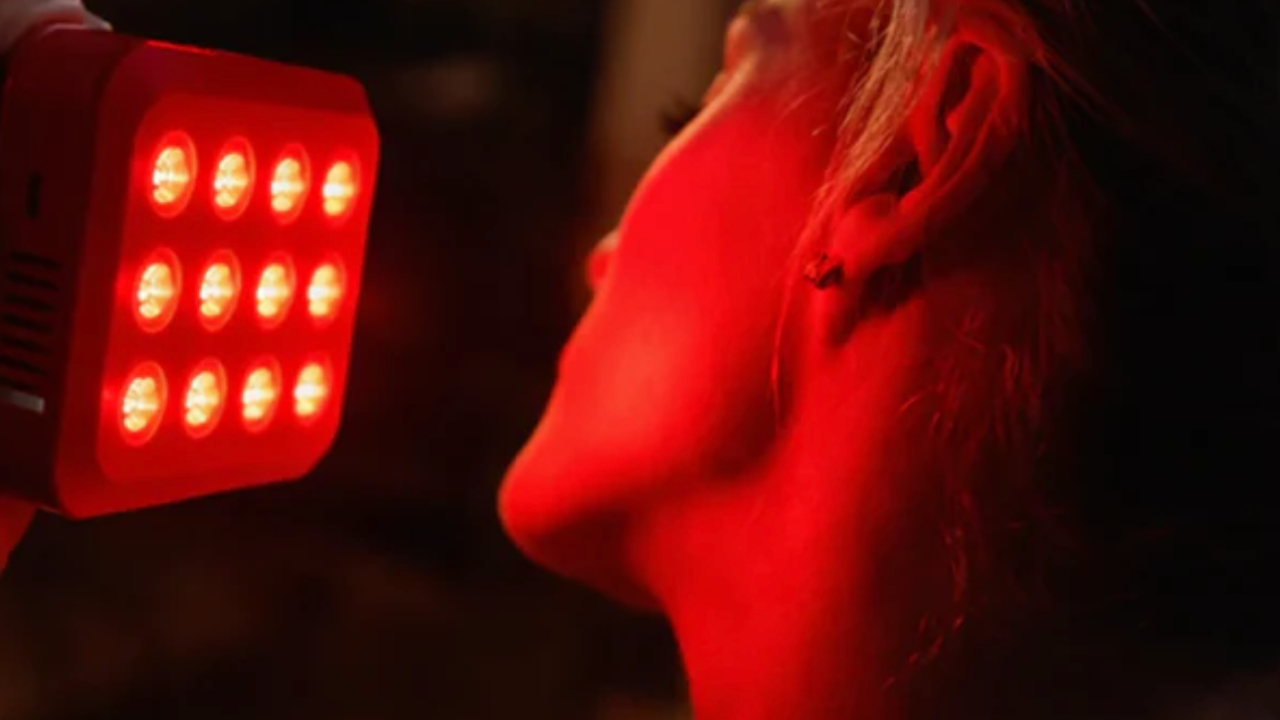
Red light therapy isn’t magic, but it’s backed by real science. Devices like the Kala Red Light Hat use a focused wavelength around 650nm to target your scalp. Here’s what’s happening at the follicle level:
-
Stimulating Blood Flow: Increased circulation delivers oxygen and nutrients directly to hair follicles.
-
Reducing Inflammation: Chronic scalp inflammation can suppress follicle activity; red light helps calm it.
-
Boosting Cellular Energy: Photobiomodulation improves mitochondrial function, generating ATP — the energy your cells need to function optimally.
-
Encouraging Growth Phase: Hair follicles cycle through growth (anagen), resting (telogen), and shedding (catagen) phases. Consistent red light exposure helps keep follicles in the growth phase longer.
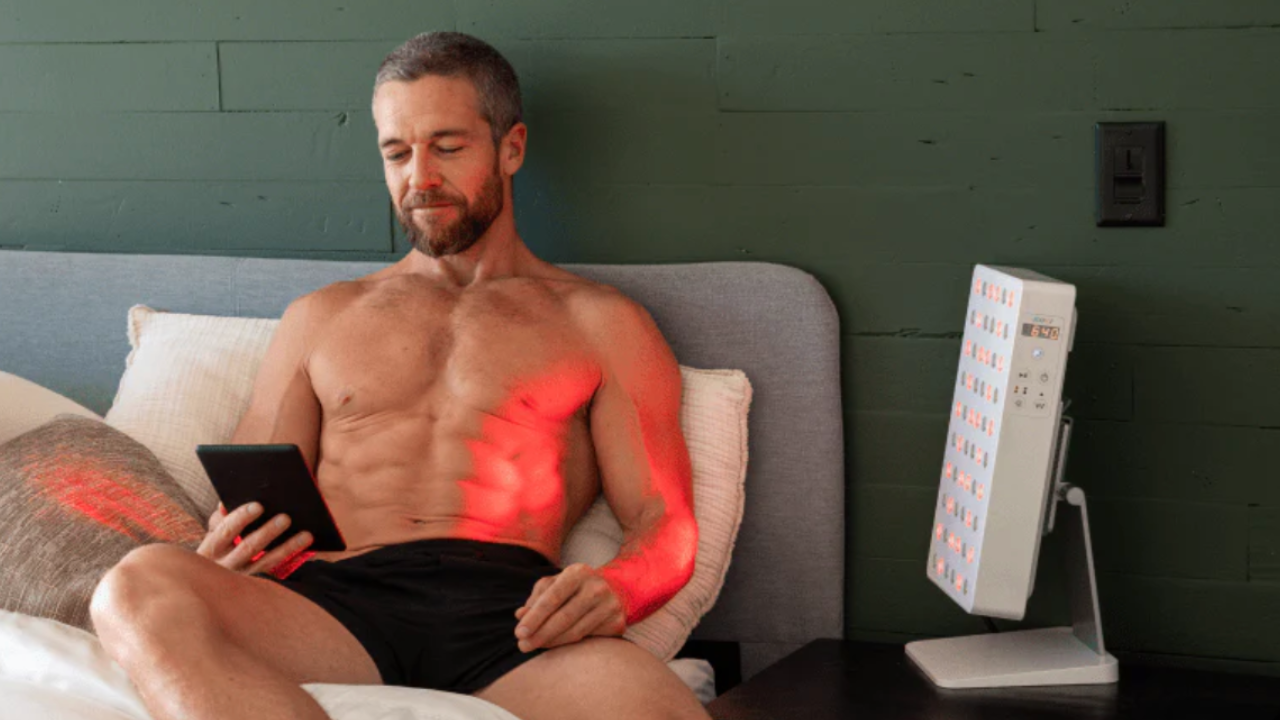
And the best part? You can do it in just a few minutes a day, hands-free, while reading, working, or watching your favorite show.
Comparing Red Light Therapy to Topical Treatments
Let’s look at topicals like minoxidil. They work for many people, but here’s the reality:
-
You must apply daily — skipping even a few days can reduce effectiveness.
-
Scalp irritation is common.
-
It can feel messy, and you may notice residue on pillows or clothing.
Red light therapy offers several advantages:
-
Hands-Free Consistency: Helmets and caps (Kala, HigherDose, iRestore) are wearable and cordless. You can use them while doing other tasks.
-
Non-Irritating: No chemicals, no residue, and minimal risk of scalp irritation.
-
Targeted Stimulation: Light penetrates follicles directly, addressing the root rather than just the surface.
Instead of worrying about daily applications or side effects, red light therapy lets you build a simple, repeatable habit.
Red Light Therapy vs Supplements
Supplements promise nutrients for healthier hair, but results vary:
-
Biotin or other vitamins only help if you’re deficient.
-
Pills may take months to show results.
-
Overdosing can cause unintended side effects.
Red light therapy acts directly on follicles, rather than relying on systemic changes. While combining supplements and red light therapy can be complementary — supporting overall hair and scalp health — the light itself is doing the heavy lifting in stimulating growth.
Clinic-Based Treatments: Pros and Cons
Professional treatments like PRP or in-office laser therapy can be effective, but they’re not without barriers:
-
Cost: Sessions can range from hundreds to thousands of dollars.
-
Time: Weekly or bi-weekly visits require scheduling and travel.
-
Consistency: Missing appointments can reduce effectiveness.
-
Access: Not everyone has a clinic nearby.
At-home red light devices remove these obstacles. You control the schedule, frequency, and environment — making consistency easier and more realistic.
What a Typical Home Red Light Therapy Routine Looks Like
With a device like the Kala Red Light Hat, here’s what your day might look like:
-
Duration: 10–15 minutes per session, typically every other day or daily depending on recommendations.
-
Positioning: The cap sits comfortably on your head, covering all scalp areas. Helmets or laser devices may offer slightly larger coverage.
-
Hands-Free: Read, watch TV, or even do light chores while using.
-
Consistency: Small, regular doses over months are more effective than sporadic, long sessions.
Other devices, like the HigherDose helmet or iRestore system, operate similarly — wearable, cordless, and designed for daily integration into your routine.
Realistic Expectations
Red light therapy is gradual. Most users start noticing subtle changes around 8–12 weeks:
-
Baby hairs along the hairline
-
Slightly thicker strands
-
Reduced shedding
Noticeable hair density improvements may take 4–6 months of consistent use. Combining therapy with proper scalp care, balanced nutrition, and healthy lifestyle habits can accelerate results.
Customer Avatar: Who Benefits Most
-
Adults in their 20s–50s noticing early hair thinning
-
Busy professionals who want a simple, hands-free solution
-
People frustrated by messy topicals or side-effect-laden pills
-
Those looking for non-invasive, safe, long-term care
Red light therapy fits seamlessly into the lives of people who value efficiency, consistency, and practical wellness.
Tips for Maximizing Hair Growth With Red Light Therapy
-
Be consistent: Make sessions a daily habit.
-
Complement with scalp care: Gentle massage, clean scalp, minimal harsh chemicals.
-
Support overall wellness: Sleep, diet, and stress management influence hair growth.
-
Avoid overexposure: Stick to manufacturer recommendations to prevent scalp irritation.
Internal links: Check out the Kala cap, HigherDose helmet, and iRestore for options.
Safety and Side Effects
Red light therapy is non-invasive, non-pharmaceutical, and generally safe for most users, including teens and adults. There are minimal side effects, though you should avoid shining intense light directly into eyes and follow device-specific instructions for safe usage.
This makes it a low-risk complement or alternative to chemical treatments or prescription medications.
Cost Considerations
-
Kala Red Light Hat: Mid-range, wearable, designed for everyday use.
-
HigherDose Helmet: Premium, full-coverage device, often paired with other wellness products.
-
iRestore System: Clinically inspired, higher upfront investment but built for longevity.
Compare these to the ongoing costs of topicals, supplements, or repeated clinic visits, and home red light therapy often becomes more cost-effective over time.
Seeing Results Without the Guesswork
The beauty of home red light therapy is control. You choose your device, schedule, and intensity. Unlike chemical treatments or clinic sessions, you don’t need a prescription, an appointment, or to track dozens of variables. Consistency and quality of the device are what matter.
If you’re struggling to decide which device fits your lifestyle, start with what feels practical and comfortable. For wearable convenience, the Kala Red Light Hat is a great option. If you want full scalp coverage with advanced features, explore HigherDose or iRestore.
Red Light Therapy and Long-Term Hair Health
Unlike topical treatments that often only work while in use, red light therapy can help maintain follicle health over time. By supporting circulation, reducing inflammation, and energizing follicles, you’re creating an environment for sustained growth. Paired with good scalp hygiene, nutrition, and stress management, it becomes part of a holistic hair wellness routine.
Final Thoughts
If you’re serious about taking control of hair thinning, red light therapy offers a practical, safe, and increasingly accessible solution. It’s not an overnight miracle, but it fits into real life in a way that clinic treatments, messy topicals, and daily pills often don’t.
Imagine sitting back for 10 minutes a day, reading your favorite book, streaming a show, or sipping coffee, while your scalp gets professional-grade therapy. Over months, baby hairs emerge, strands feel thicker, and shedding diminishes.
For anyone tired of juggling multiple products, appointments, or complicated routines, home red light therapy devices — like the Kala cap, HigherDose helmet, or iRestore system — offer an elegant, consistent, and effective approach. Start today, stay consistent, and let your follicles do their thing.