After a tough workout, a long training session, or a full day on your feet, your body demands recovery. Muscle soreness, joint stiffness, and fatigue aren’t just inconveniences—they can slow your progress, reduce performance, and even increase your risk of injury. For athletes, biohackers, or anyone committed to consistent physical performance, recovery isn’t optional—it’s essential.
Red light therapy (RLT) has emerged as a game-changing tool in the recovery toolkit. By delivering specific wavelengths of light directly to tissues, red light therapy helps your body heal faster, reduce inflammation, and optimize energy production at a cellular level. In this article, we’ll explore exactly how RLT works for recovery, the types of devices available, practical usage tips, and realistic expectations for results.
Why Recovery Matters
Every athlete and active individual knows the feeling: your muscles ache, your joints feel tight, and your energy is depleted. Proper recovery is crucial for:
-
Muscle repair: Micro-tears from strength training need time and resources to heal.
-
Inflammation reduction: Intense activity can trigger systemic and local inflammation.
-
Energy restoration: Fatigued cells need replenishment to maintain performance.
-
Performance optimization: Faster recovery allows for more frequent, higher-quality training.
While sleep, nutrition, and stretching are foundational, red light therapy adds a targeted, science-backed method to accelerate the process.
How Red Light Therapy Supports Recovery
Red light therapy works by stimulating cellular processes in muscle and connective tissue. Here’s what happens at a physiological level:
-
Mitochondrial activation: RLT energizes cells by boosting ATP production—the energy currency of your body. More ATP means muscles and tissues have more fuel for repair.
-
Enhanced circulation: Blood flow increases, delivering oxygen and nutrients while flushing out metabolic waste.
-
Reduced inflammation: By modulating inflammatory responses, RLT decreases swelling and soreness.
-
Pain modulation: Light therapy has been shown to reduce nociceptor signaling, helping relieve pain naturally.
In short, RLT gives your body a boost to its natural recovery mechanisms, which can translate into less soreness, faster mobility, and improved readiness for the next workout.
Devices Designed for Recovery
Red light therapy devices come in multiple forms, each suited to different recovery goals and lifestyles:
1. Full-Body Panels
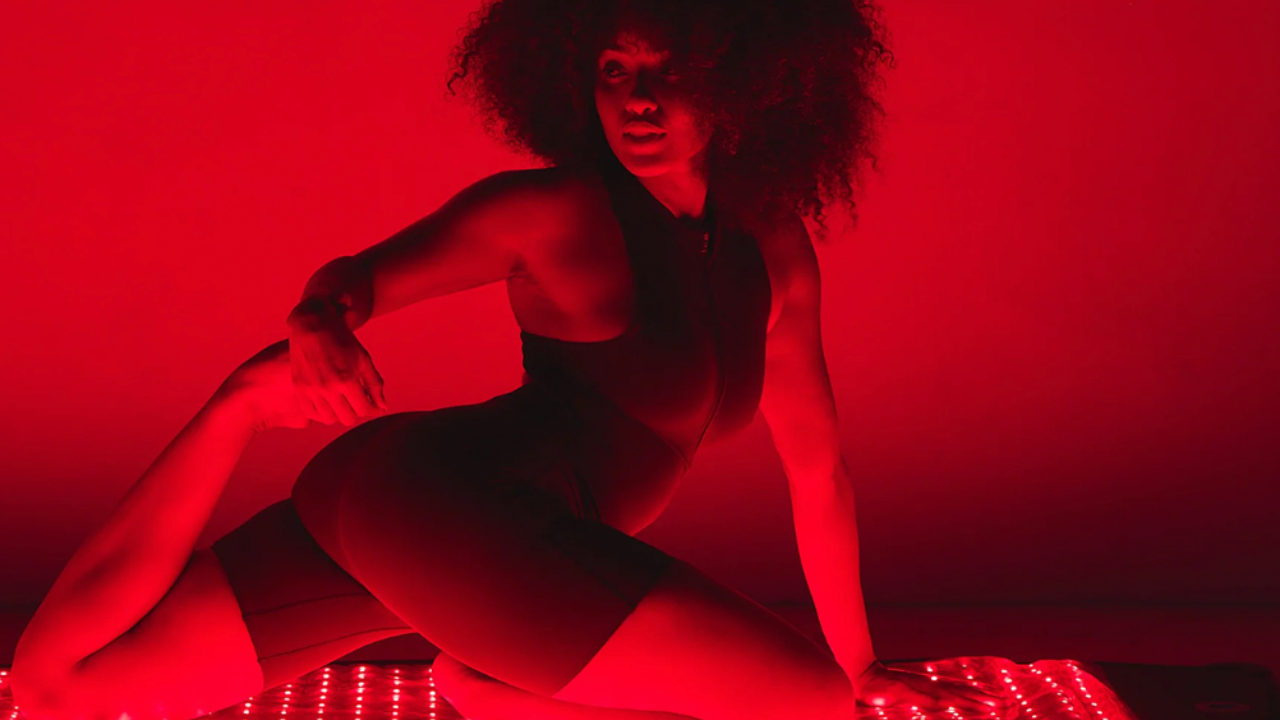
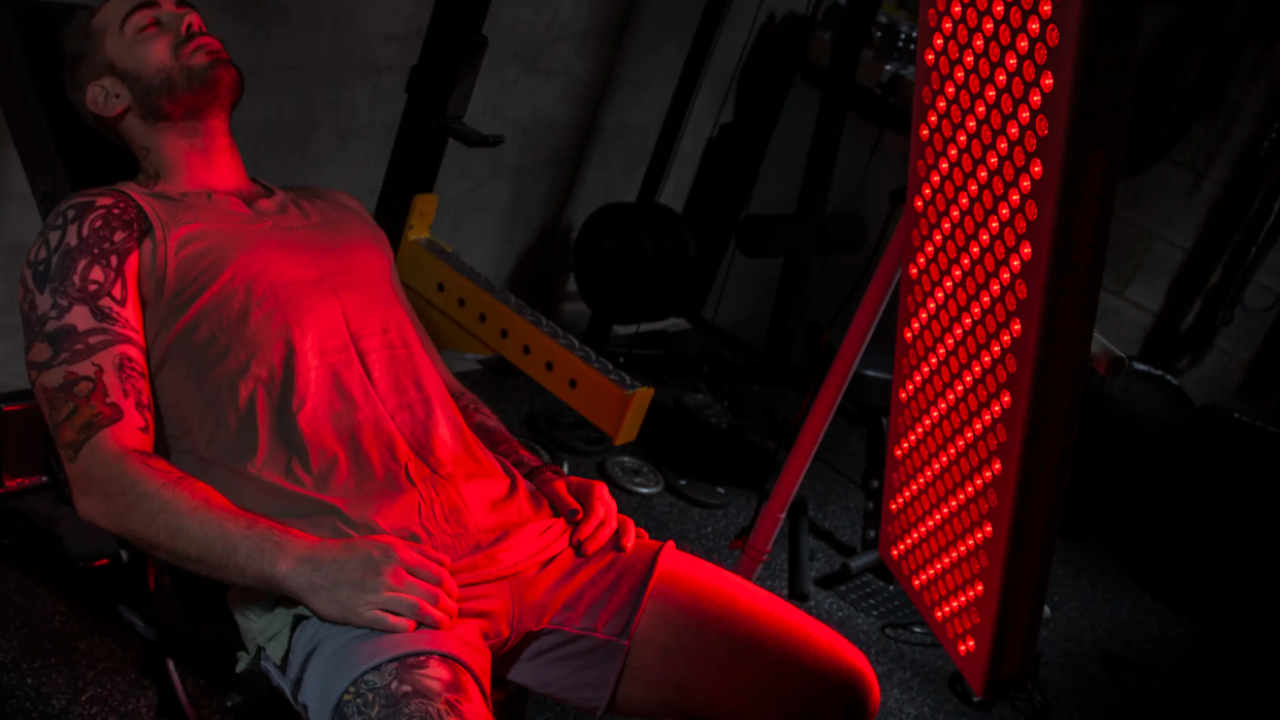
Full panels like those offered by Mito Red Light provide extensive coverage, targeting large muscle groups simultaneously. They are ideal for:
-
Post-workout recovery sessions
-
Full-body rejuvenation
-
Muscle fatigue relief after intense training
These panels are often high-powered, ensuring deep tissue penetration, and are best used in a consistent routine for maximum benefit.
2. Modular Panels
Smaller modular panels allow you to target specific areas such as quads, hamstrings, or shoulders. Their portability makes them a good choice for focused recovery without the commitment of a full setup.
3. Saunas and Lounge Systems
Red light therapy saunas combine heat and light for an immersive recovery experience. Devices like Sunlighten saunas offer:
-
Full-body red light exposure
-
Infrared heat to relax muscles
-
Enhanced circulation
-
Deep relaxation for mental and physical recovery
These systems are ideal for athletes seeking a luxurious, spa-like recovery at home.
4. Handheld Devices
Handheld devices allow you to directly apply red light to specific areas, making them excellent for localized soreness, joint stiffness, or trigger point therapy.
Crafting Your Recovery Routine
A recovery routine with red light therapy should be consistent and structured:
-
Frequency: Most athletes use RLT 3–5 times per week, depending on training intensity.
-
Duration: Sessions typically last 10–20 minutes, though high-power devices may require less.
-
Targeted Use: Focus on the areas that need the most recovery—muscles, joints, or areas prone to fatigue.
-
Integration with Other Recovery Methods: Pair with stretching, foam rolling, massage, or Epsom salt baths for synergistic effects.
-
Tracking Progress: Monitor soreness levels, mobility, and performance metrics to adjust usage.
Consistency is key. RLT isn’t a one-off solution—it works best as part of a systematic, repeatable recovery routine.
Real Results from Real Users
Athletes and regular gym-goers report tangible benefits from incorporating RLT into their recovery:
-
Reduced muscle soreness within hours of a session
-
Faster warm-up and cool-down times
-
Enhanced joint flexibility and reduced stiffness
-
Improved energy levels the day after intense workouts
One user shared that after three weeks of consistent 15-minute full-body panel sessions, post-leg-day soreness decreased by 40%, and she was able to add an extra set to her squats without discomfort. These types of real-world improvements make RLT a practical, science-backed tool for everyday performance.
Integrating Recovery with Performance
Red light therapy isn’t just for post-workout—it can also be preparatory:
-
Pre-training sessions can help loosen muscles and prepare tissue for stress.
-
Warm-up enhancement: Using RLT for 5–10 minutes can stimulate circulation and improve oxygen delivery before activity.
-
Mental focus: Some users find RLT relaxing, which improves focus during training or competitive events.
By making red light therapy part of a comprehensive performance routine, you can optimize both recovery and readiness, giving yourself an edge over inconsistent recovery practices.
Selecting the Right Device
When choosing a red light therapy device for recovery, consider:
-
Power output: Higher wattage often means deeper penetration and faster results.
-
Wavelength: Near-infrared light (around 800–850nm) penetrates deeper into muscle tissue, while red light (630–670nm) is more superficial for skin and surface muscle layers.
-
Coverage area: Full panels for total-body recovery; modular or handheld devices for targeted treatment.
-
Ease of use: Devices that integrate seamlessly into your lifestyle increase adherence.
Examples for internal linking:
-
Mito Red Light panels – high-powered full-body panels
-
Kala panels – modular recovery devices for home use
-
Sunlighten saunas – luxurious full-body infrared and red light systems
Safety and Considerations
Red light therapy is generally safe:
-
Non-invasive and drug-free
-
Minimal side effects when used as directed
-
Can be safely combined with standard recovery practices
Avoid using RLT over the eyes without protection, and consult a medical professional if you have specific conditions such as photosensitivity disorders or implants in the treatment area.
Bringing Recovery Home
Red light therapy provides a practical, science-backed way to enhance recovery and support athletic performance. Whether you’re a competitive athlete, a weekend warrior, or someone looking to maintain mobility and energy, RLT offers:
-
Faster muscle repair
-
Reduced soreness and inflammation
-
Enhanced joint health
-
Increased overall energy for daily life and training
By combining consistent use, proper nutrition, and lifestyle management, you can maximize the benefits of RLT and make recovery a cornerstone of your performance journey.