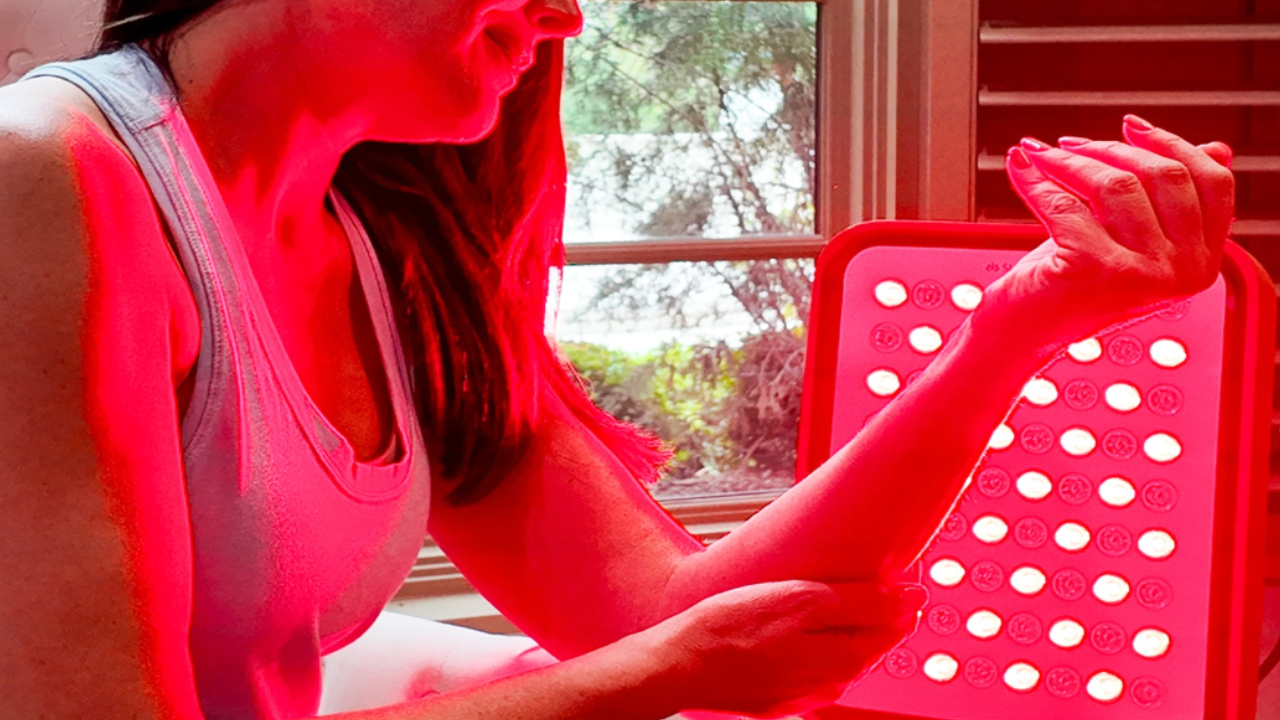
If you’ve ever felt that deep, lingering ache after a hard workout, you know how recovery—or the lack of it—can define your performance. Muscle soreness, stiffness, and fatigue aren’t just annoyances; they can slow progress, impact your mood, and make you dread your next session. That’s why athletes, biohackers, and wellness enthusiasts are turning to red light therapy for recovery and performance—a simple, home-friendly solution that helps muscles bounce back faster.
Red light therapy works by delivering wavelengths of 620–660 nm (red light) and 800–850 nm (near-infrared) to the body. These lights penetrate deep into muscle tissue, stimulating mitochondria, boosting ATP production, and increasing circulation. In simpler terms: your cells get more energy, blood carries nutrients where they’re needed, and inflammation can be reduced. For active people, this can mean less soreness, faster recovery, and better overall performance.
Why Recovery Matters
Recovery isn’t just rest. When your muscles don’t fully recover, microscopic tears and inflammation can linger, limiting strength gains and flexibility. Red light therapy helps tackle this by promoting oxygen delivery, reducing oxidative stress, and improving the natural healing process. Unlike other recovery methods—like ice baths, massage guns, or supplements—red light therapy works at a cellular level, supporting your body’s natural repair mechanisms.
Devices That Make Recovery Easy at Home
You don’t need to go to a clinic or schedule sessions with a therapist. Kala full-body panels, Joovv systems, and Mito red light panels allow you to treat your body from the comfort of your home. Sauna blankets and modular panels target large muscle groups, while handheld devices can focus on stubborn sore spots.
-
Kala panels: Designed for deep coverage, they support post-workout recovery, improve circulation, and reduce fatigue.
-
Joovv panels: Flexible setups allow you to target multiple areas simultaneously, from legs and back to shoulders and arms.
-
Mito panels: High-powered LEDs designed to penetrate deeply into tissues, improving healing and energy distribution.
Each device allows you to integrate recovery seamlessly into your routine. A 10–15 minute session while winding down after a workout can be just as effective as traditional therapy, without the hassle of appointments.
Daily Recovery Routine
-
Targeted Session: Use a handheld or modular panel on sore areas immediately after activity.
-
Full-Body Session: Incorporate a sauna blanket or large panel for 10–20 minutes in the evening.
-
Consistent Timing: Regular sessions enhance recovery more than sporadic use.
-
Hydration & Nutrition: Drinking water and eating protein-rich meals support muscle repair alongside light therapy.
-
Track Recovery: Keep notes on soreness, energy, and flexibility to adjust session length and frequency.
Who Benefits Most
Red light therapy isn’t just for professional athletes. Anyone with active muscles—weekend warriors, yoga enthusiasts, runners, or desk-bound workers experiencing tension—can benefit. Targeted therapy alleviates soreness, improves mobility, and reduces the risk of chronic muscle fatigue.
Practical Tips
-
Use near-infrared for deep tissue recovery.
-
Position panels 6–12 inches from skin for optimal penetration.
-
Combine with light stretching or foam rolling for best results.
-
Wear minimal clothing to allow light to reach large muscle groups.
Integrating Technology into Lifestyle
A panel or sauna blanket can become part of your evening wind-down, paired with reading, music, or meditation. Handheld devices can travel with you—treat sore shoulders on the commute or calves after a run. Red light therapy is flexible, adaptable, and sustainable for busy lifestyles.