Sleep is the cornerstone of health. Yet so many of us struggle to get enough of it—or the kind that truly refreshes. Between late-night screen time, irregular schedules, and the stress of daily life, your circadian rhythm—the body’s internal clock—can easily get thrown off balance. When that happens, falling asleep, staying asleep, and waking up feeling rested can all feel impossible.
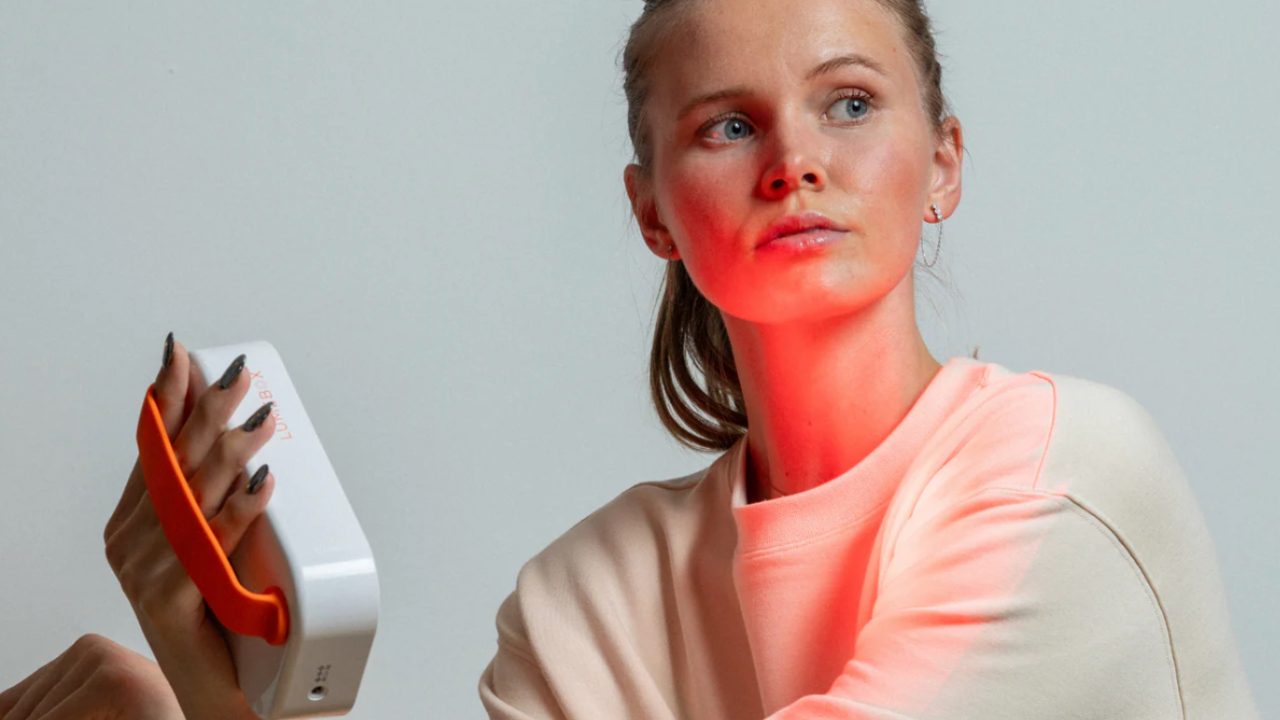
Enter red light therapy: a gentle, non-invasive way to support your body’s natural sleep cycle, calm your nervous system, and encourage deeper, more restorative rest. With home-friendly devices like full-body panels and saunas, red light therapy isn’t just for athletes or skincare enthusiasts anymore—it’s becoming a practical tool for anyone who wants to sleep better and feel more energized during the day.
How Red Light Therapy Influences Your Sleep
To understand why red light therapy works for sleep, it helps to know a bit about circadian biology. Your body responds to light cues: blue light from phones and screens signals “daytime,” suppressing melatonin, the hormone that tells your body it’s time to wind down. Red light, on the other hand, has a longer wavelength that penetrates skin and tissues without disrupting melatonin production.
By exposing yourself to red or near-infrared light in the evening—or avoiding bright blue light—you signal to your body that it’s time to slow down. Research suggests that this can help:
-
Regulate melatonin production, so you feel sleepier at the right time.
-
Reduce cortisol and stress, making it easier to relax before bed.
-
Improve circulation, gently warming muscles and promoting relaxation.
-
Support overall circadian rhythm, especially if you struggle with irregular schedules, jet lag, or shift work.
Choosing the Right Device for Sleep Support
Not all red light therapy devices are created equal, and selecting the right one can make a big difference for your sleep routine. Here are some types that work particularly well:
Full-body panels – Devices like the Joovv or Mito panels allow you to stand or sit in front of an array of LEDs, giving broad coverage for a gentle, immersive session. This kind of exposure can help relax your muscles, calm the nervous system, and signal your brain that it’s evening time.
Saunas with integrated red light – Sunlighten saunas combine gentle heat with red and near-infrared light, creating a calming, spa-like environment. The warmth alone helps relax tight muscles, while the red light provides cellular-level support for your circadian rhythm. A 20–30 minute evening session can leave you feeling relaxed and ready for bed.
Targeted panels for bedtime rituals – Smaller, desk-friendly devices or modular panels can be positioned to provide red light exposure to key areas while reading, journaling, or meditating before bed. Devices like Kala’s full-body panels are family-friendly and easy to integrate into your nightly routine.
Building a Consistent Evening Routine
Consistency is key. Red light therapy works best when incorporated into a regular evening schedule. Here’s a sample routine that combines light therapy with other sleep-supportive habits:
-
Dim your home lights about 60–90 minutes before bed, avoiding bright overhead lighting and blue screens.
-
Use your red light device for 10–20 minutes. Stand, sit, or relax in front of your full-body panel, sauna, or modular device.
-
Engage in calming activities like reading, gentle stretching, or breathing exercises. Avoid intense exercise right before bed.
-
Keep your bedroom cool, dark, and quiet, reinforcing the signals your body receives from the red light session.
-
Maintain a regular bedtime, even on weekends, to help your circadian rhythm stay on track.
Real-World Benefits Users Report
People who use red light therapy for sleep often notice subtle but meaningful changes:
-
Falling asleep faster without tossing and turning.
-
Waking up feeling more refreshed and alert.
-
Reduced nighttime leg or muscle cramps.
-
A calmer mental state, making it easier to let go of stress.
These benefits compound over time, especially when red light therapy is paired with good sleep hygiene, consistent meal timing, and stress-reducing practices.
Target Audience: Who Can Benefit Most
Red light therapy for sleep isn’t just for one kind of person. It’s particularly helpful for:
-
Shift workers trying to adjust sleep schedules.
-
Frequent travelers or those with jet lag seeking faster circadian recovery.
-
Parents and caregivers managing irregular routines or nighttime stress.
-
Anyone with difficulty falling asleep due to stress, muscle tension, or environmental factors.
-
Older adults whose melatonin production naturally declines.
Whether you’re a busy professional, an athlete, or a parent juggling multiple schedules, red light therapy offers a non-invasive, gentle way to support your body’s natural rhythms.
Tips to Maximize Your Sleep Support
-
Timing matters: Evening exposure, ideally 60–90 minutes before bed, is most effective for circadian regulation.
-
Consistency is key: Regular nightly sessions help reinforce your internal clock.
-
Combine with other wellness habits: A warm shower, gentle stretching, or a calming beverage can enhance the benefits.
-
Avoid bright screens afterward: Red light won’t undo the blue light from phones or laptops, so dim lights after your session.
-
Listen to your body: Start with shorter sessions and adjust based on your comfort and results.
Common Questions About Red Light Therapy for Sleep
Q: Is it safe for everyone?
Yes. Red light therapy is non-invasive, non-pharmaceutical, and has no known side effects. However, avoid using directly over the eyes or on sensitive areas without proper guidance.
Q: How long before I see results?
Many users notice improved sleep within 1–2 weeks of consistent use, with deeper benefits over several weeks.
Q: Can I use it if I have other medical conditions?
Red light therapy is generally safe, but consult your healthcare provider if you have photosensitive conditions or are taking medications that increase light sensitivity.
Integrating Red Light Therapy Into a Holistic Sleep Strategy
Red light therapy works best as part of a comprehensive sleep strategy. Combine it with:
-
Mindful breathing or meditation to calm the nervous system.
-
Limiting caffeine and alcohol in the evening.
-
Consistent wake-up times to reinforce your circadian rhythm.
-
Light exposure during the day to keep your internal clock aligned.
By addressing multiple factors, you maximize the likelihood of consistently restorative sleep, all while supporting your long-term health.
Wrapping Up
If you’ve struggled with irregular sleep, tossing and turning, or feeling groggy in the mornings, red light therapy offers a gentle, accessible way to reset your internal clock. Home-friendly devices like full-body panels, modular units, and saunas allow you to integrate this therapy seamlessly into your evening routine.
Consistency, timing, and combining with other sleep-supportive habits are key. With daily or near-daily use, many people notice falling asleep faster, sleeping more deeply, and waking up feeling genuinely refreshed.
Whether you’re a busy parent, a shift worker, or just someone looking for better rest, red light therapy provides a practical, science-backed tool to help you reclaim your nights—and your energy.