You might have noticed it slowly: a little more scalp showing in certain lighting, strands falling out more often in the shower, or your ponytail feeling thinner than it used to. Hair loss doesn’t always happen overnight—it can creep up quietly, affecting confidence and prompting endless questions: Is there a solution that actually works? Do I need prescriptions, supplements, or clinical treatments?
Red light therapy offers a home-based solution that doesn’t require invasive procedures, prescriptions, or hours in a clinic. From wearable caps to full panels, this technology targets hair follicles directly, stimulating growth and improving scalp health. In this article, we’ll explore how red light therapy supports hair growth, what types of devices are available, how to incorporate them into your daily routine, and what results you can realistically expect.
Why Hair Loss Happens
Before diving into therapy options, it’s helpful to understand why hair thinning or loss occurs. The causes are multifaceted and include:
-
Hormonal changes: Dihydrotestosterone (DHT), a byproduct of testosterone, can shrink hair follicles and shorten the growth phase of hair.
-
Age and genetics: Pattern baldness, thinning edges, and decreased density often run in families.
-
Lifestyle factors: Stress, poor nutrition, sleep disruption, and environmental exposure can weaken follicles.
-
Medical conditions and medications: Autoimmune conditions, thyroid disorders, and certain medications may accelerate shedding.
Red light therapy doesn’t alter genetics or hormones, but it supports the health of your existing follicles, improves circulation, reduces inflammation, and enhances cellular energy production—all factors that allow hair to grow thicker and stronger.
How Red Light Therapy Works for Hair
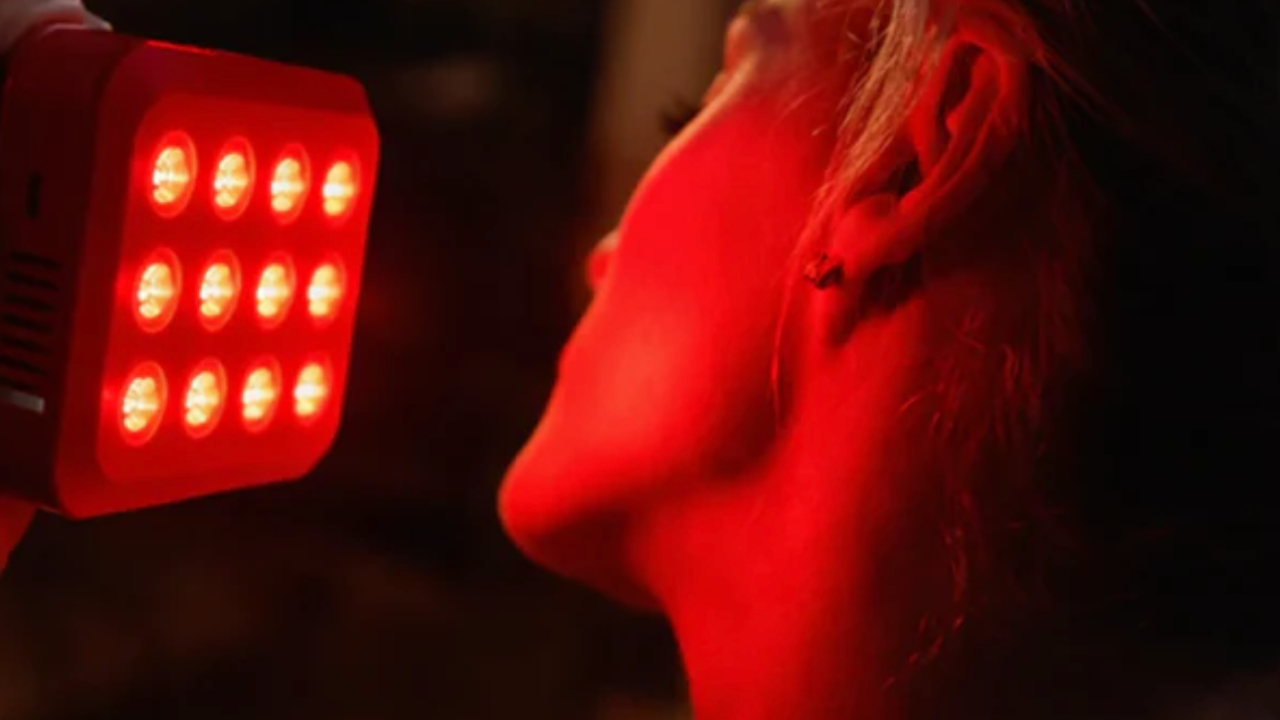
Red light therapy (RLT), also known as photobiomodulation, uses specific wavelengths of light (usually between 630–670nm) to penetrate the scalp and stimulate cellular processes. Here’s what happens under the surface:
-
Mitochondrial stimulation: RLT energizes cells by enhancing adenosine triphosphate (ATP) production, which powers follicle activity.
-
Improved circulation: Increased blood flow delivers oxygen and nutrients to hair roots.
-
Reduced inflammation: Chronic scalp inflammation can weaken follicles; RLT helps mitigate this.
-
Follicle reactivation: Dormant follicles can re-enter the active growth phase.
Over consistent use, this translates to improved hair density, stronger strands, and a healthier scalp environment.
Devices Designed for Hair Growth
Not all red light therapy devices are the same. For hair growth, key differences include coverage, wavelength, power output, and usability.
1. Wearable Caps and Helmets
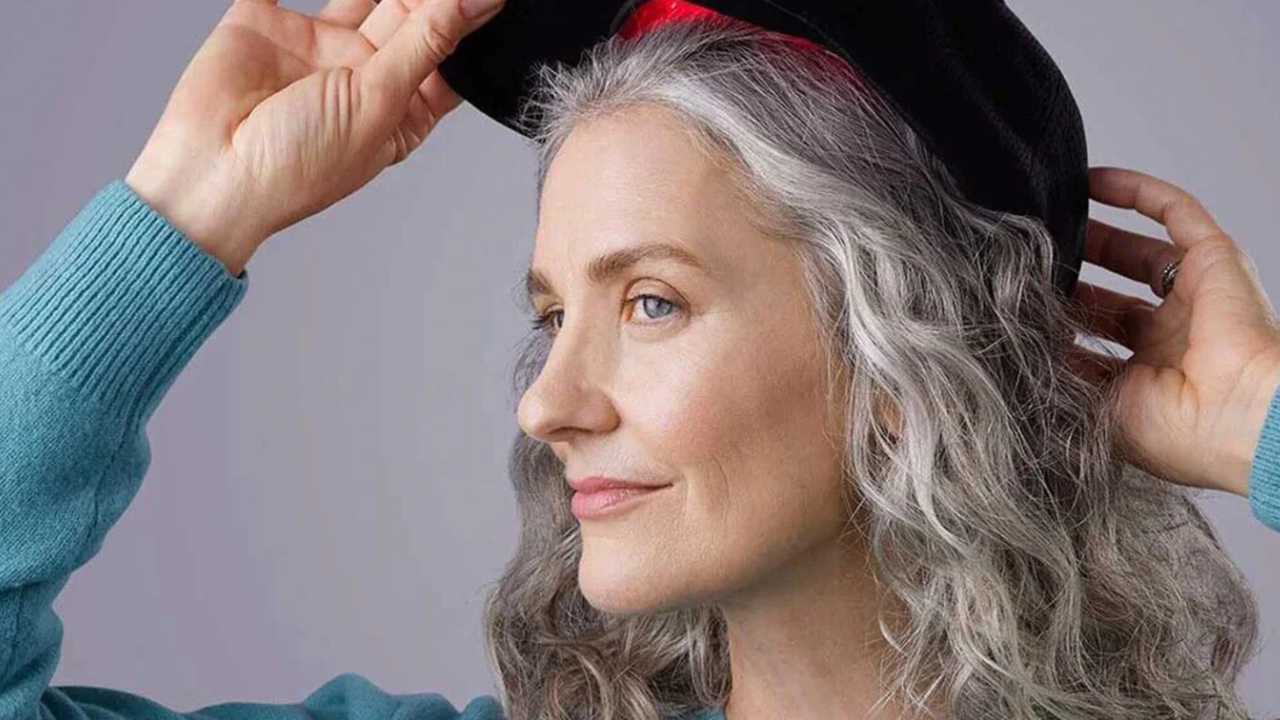
Example: Kala Red Light Hat
-
Design: Lightweight, cordless, wearable device designed for daily use.
-
Wavelength: 650nm, focused on stimulating hair follicles and improving scalp circulation.
-
Routine: Just minutes a day while you carry on with normal activities.
-
Advantages: Hands-free, convenient, portable, ideal for consistent use.
These devices are perfect for people who want a low-effort, daily solution. The comfort and portability increase adherence, which is critical for achieving visible results.
2. Targeted Panels
Some panels are smaller and can be positioned over the scalp, while larger full panels may cover multiple areas at once. Panels often offer higher power output, which can accelerate results when used consistently.
3. Laser Comb Devices
Handheld laser combs combine low-level lasers with red light therapy. They require deliberate application but can be very effective for localized areas of thinning.
Choosing the right device depends on your lifestyle, the area of scalp you want to target, and how often you can realistically commit to treatments.
Creating a Routine That Works
Consistency is the secret to seeing meaningful results. A typical routine includes:
-
Frequency: Most devices recommend 3–5 sessions per week for initial results. Daily use is ideal when possible.
-
Duration: 10–20 minutes per session depending on device and coverage.
-
Clean Scalp: Ensure hair is dry and free of heavy oils for maximum light penetration.
-
Tracking Progress: Photos every 4 weeks can help monitor improvement.
Tips from users:
-
Combine therapy with gentle scalp massage to boost circulation.
-
Avoid over-treating; more isn’t always better.
-
Maintain balanced nutrition, sleep, and stress management to support hair health.
What Results Can You Expect?
Results vary by individual, device, and adherence:
-
Early signs (4–8 weeks): Increased scalp circulation, less breakage, hair feels fuller.
-
Mid-term (12 weeks): Baby hairs may appear along hairline and thinning areas.
-
Long-term (6 months+): Noticeable improvement in density, strength, and overall scalp health.
Consistency is crucial—skipping sessions can slow progress. Unlike clinical procedures, red light therapy is low-risk and suitable for long-term maintenance.
Who Benefits Most
Red light therapy for hair growth is ideal for:
-
Adults experiencing early to moderate thinning or shedding
-
People with stress-related hair loss
-
Individuals who want a non-invasive, at-home solution
-
Those who have previously tried topical or supplement approaches with limited results
It’s important to note that while RLT supports follicle health, it may not fully restore areas of complete baldness caused by genetics.
Integrating RLT with Other Hair Care
Red light therapy works best as part of a holistic hair care routine:
-
Gentle cleansing: Avoid harsh shampoos that irritate follicles.
-
Scalp nutrition: Minimize products with heavy silicones or alcohol.
-
Supplement support: Vitamins like biotin, iron, and zinc can complement therapy.
-
Lifestyle: Reduce stress, improve sleep, and maintain balanced nutrition to maximize results.
Real-World Example: Kala Red Light Hat
The Kala Red Light Hat is designed for everyday usability. Lightweight and cordless, it allows you to treat your scalp while reading, working, or relaxing. Each session takes just minutes, making it easy to stay consistent. Users report noticing baby hairs along the hairline, less breakage, and increased hair thickness after regular use over several months.
Safety and Considerations
Red light therapy is generally safe for most users:
-
Non-invasive, drug-free, no known side effects
-
Can be used on children and pets (with proper supervision)
-
Avoid direct use over sensitive areas like the eyes without protection
Consult your doctor if you have specific medical conditions, especially related to skin or circulation disorders.
Bringing It All Together
If hair thinning or shedding is impacting your confidence, red light therapy offers a home-based, convenient, and scientifically-backed approach. Devices like the Kala Red Light Hat make it possible to integrate therapy seamlessly into your day, whether during your morning routine, work, or evening relaxation. Combined with a thoughtful hair care routine, nutrition, and stress management, RLT can help you reclaim healthier, fuller hair over time.