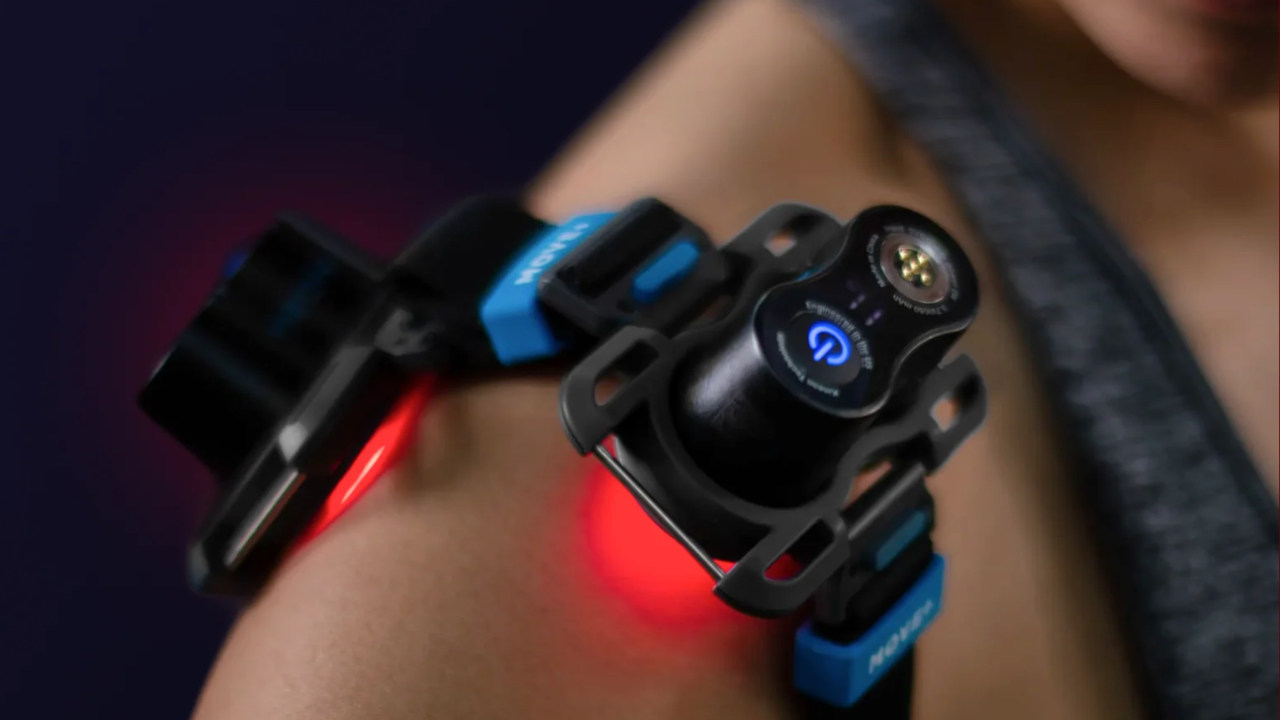
Chronic pain isn’t a one-size-fits-all problem. It’s subtle for some, overwhelming for others. Maybe it’s the lingering stiffness in your shoulders after a long day at the desk, the twinge in your knee when you climb stairs, or that dull ache in your lower back that follows you around. You’ve tried stretching, massages, maybe even prescription medications—but you’re still looking for something you can reliably use at home, on your schedule, that actually helps. Enter red light therapy.
Red light therapy (RLT), also known as photobiomodulation, isn’t just a trend or a fancy spa treatment. It’s a clinically backed method that targets inflammation, promotes circulation, and supports your body’s natural healing processes. Unlike treatments that demand appointments, invasive procedures, or harsh chemicals, RLT can be integrated seamlessly into your daily routine—letting you take control of your pain without adding stress to your life.
Understanding How Red Light Therapy Helps Chronic Pain
Pain is a signal. When your muscles, joints, or tissues are inflamed or stressed, your body sends that warning, sometimes loudly, sometimes as a nagging discomfort. Red light therapy works at a cellular level to address some of the underlying contributors. Specifically:
-
Enhanced circulation: By boosting blood flow, red and near-infrared light delivers oxygen and nutrients to tissues that need it most.
-
Reduced inflammation: RLT has been shown to lower markers of inflammation in joints and muscles, easing stiffness and soreness.
-
Cellular energy production: Light in the 600–900nm wavelength range stimulates mitochondria, the energy factories of your cells. More ATP (adenosine triphosphate) means your body has more energy to repair tissue and support recovery.
-
Muscle relaxation: Warmth and light exposure can soothe tense muscles, reducing spasms or knots that aggravate pain.
These mechanisms work quietly and consistently. Unlike medications, which can mask pain or have side effects, RLT supports your body in doing what it naturally does—recovering and rebalancing.
Choosing the Right Device for Chronic Pain
Not all red light therapy devices are created equal. For chronic pain, you’ll want something that offers targeted coverage, sufficient intensity, and consistent use. Some options include:
-
Handheld devices and wraps: Perfect for knees, elbows, shoulders, or localized aches. You can hold a device over a joint for a few minutes daily, making it a flexible solution for specific pain points.
-
Small modular panels: These allow you to target larger areas, like the lower back or full leg, without needing a full-body system. Panels can often be propped or mounted, giving hands-free use while you read, work, or relax.
-
Portable devices inspired by clinical setups: High-intensity units like the FlexBeam combine red and near-infrared light to deliver a deep, powerful session that penetrates tissue for maximum benefit.
What matters most is fit and consistency. Devices that integrate naturally into your life—ones you can set up while reading, watching TV, or winding down in the evening—will get you the most noticeable results over time.
Integrating RLT Into Your Daily Pain Management Routine
Red light therapy is most effective when it becomes part of your regular routine. Here’s a practical approach many users follow:
-
Short, focused sessions: Most chronic pain protocols recommend 5–10 minutes per area, once or twice daily. Consistency outweighs duration—daily exposure is more important than occasional long sessions.
-
Target the pain point: If your knee hurts, focus the light directly over the joint. If your neck and shoulders are tense from desk work, apply light to each area separately for optimal coverage.
-
Combine with gentle movement: RLT can complement stretching, yoga, or light mobility exercises. Circulation improvement plus movement amplifies relief.
-
Track your progress: Pain can fluctuate day-to-day. Note which areas feel better after RLT sessions and adjust timing or coverage accordingly. Small improvements add up over weeks.
Common Scenarios Where Home RLT Shines
Let’s look at real-world examples of how people integrate red light therapy into chronic pain routines:
-
The active adult with joint stiffness: You hit the gym a few times per week. FlexBeam or modular panels help reduce post-workout soreness, especially in knees and shoulders.
-
The desk worker with neck and back tension: After hours of hunching over a computer, handheld RLT devices provide targeted relief while you unwind in the evening.
-
The parent on the go: Short sessions during kids’ nap times or while prepping dinner can be enough to see gradual improvement without disrupting your schedule.
-
The older adult managing arthritis: Consistent, gentle RLT use can improve joint mobility and reduce morning stiffness, helping with day-to-day activities.
These examples show that RLT isn’t limited to athletes or tech enthusiasts—it’s versatile enough to fit anyone’s lifestyle.
What Science Tells Us About Chronic Pain and RLT
Clinical studies highlight RLT’s potential benefits for pain management. Research indicates:
-
Near-infrared light can penetrate deeper tissues than visible red light, effectively reaching muscles and joints.
-
Repeated exposure over weeks has been shown to reduce inflammation markers in tendons and ligaments.
-
Pain reduction has been observed in conditions like osteoarthritis, muscle strains, and post-exercise soreness.
While RLT isn’t a cure-all, it provides a safe, non-invasive option to complement other pain management strategies like physical therapy, stretching, or doctor-recommended routines.
Safety and Accessibility at Home
One of the biggest advantages of at-home red light therapy is control. You can:
-
Treat yourself on your schedule, without waiting for appointments.
-
Adjust intensity or duration to your comfort level.
-
Avoid invasive procedures or heavy medications with side effects.
Most modern RLT devices are non-pharmaceutical, non-invasive, and have no known serious side effects. Still, some caution is advised for areas with tattoos, certain implants, or highly sensitive regions like the eyes—protective eyewear or covering may be recommended depending on device intensity.
Making RLT Stick: Tips for Long-Term Pain Management
For chronic pain, short-term relief is valuable, but long-term benefit comes from consistent use. Consider these tips:
-
Set a reminder to use your device at the same time each day.
-
Keep the device somewhere accessible so you’re more likely to use it.
-
Track areas of improvement and adjust coverage or timing as needed.
-
Pair sessions with hydration, gentle movement, and posture awareness.
Many users find that after 6–8 weeks of consistent use, pain frequency and intensity decrease noticeably. Even if you don’t completely eliminate pain, RLT helps make daily life more manageable, reducing reliance on medications or invasive treatments.
Integrating RLT Into Your Wellness Journey
Think of red light therapy as part of a broader wellness toolkit. Combining it with:
-
Sleep optimization: Better rest improves pain tolerance.
-
Nutritional support: Anti-inflammatory diets can complement RLT.
-
Stress management: Mindfulness or light exercise enhances circulation and muscle relaxation.
This approach ensures that RLT doesn’t work in isolation but as a supportive, holistic tool for your body’s natural healing.